The Story of Tejano and Conjunto Music in Texas
- August 14, 2023· Article by David Brown
- art , tejano music
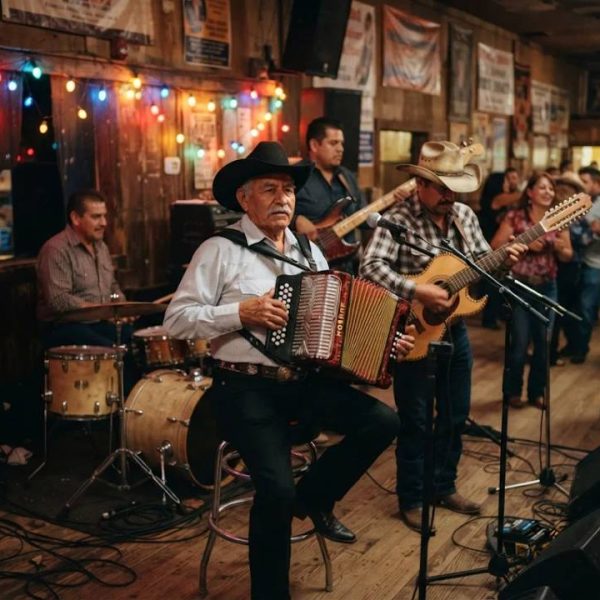
On a Saturday night in South Texas, the sound of an accordion cuts through the air and couples fill the dance floor. That sound is conjunto, one of the oldest and most beloved musical traditions of the borderlands. Its cousin, Tejano music, grew from the same roots and moved onto radio, television and global stages. Together they tell the story of Mexican American families, work, love, migration and pride. This article explores where the music came from, how it developed, who made it famous and why its songs deserve careful preservation and translation.
Roots in the Borderlands
Conjunto began in the late nineteenth and early twentieth centuries, when German and Czech settlers brought button accordions to Texas and Mexican musicians adopted them. Combined with the bajo sexto, a twelve string guitar, the accordion created a lively sound for polkas, waltzes and rancheras. The Texas State Historical Association documents how music, labor and migration shaped the culture of the region.
Conjunto is a living example of cultural blending, where European instruments and Mexican rhythms became something entirely new.
From Dance Halls to Radio
In the early years, musicians played at family parties, weddings, cantinas and community halls. Recording companies and radio stations soon recognized the audience and produced records in Spanish. Artists became local heroes, and their songs carried stories that listeners recognized from daily life.
Radio brought the music into homes and helped create a shared identity across towns and generations.
The Birth of Tejano
Tejano music developed in the mid twentieth century, mixing conjunto with country, rock, pop, jazz and Latin rhythms. Orchestras, brass sections and keyboards joined the sound, and bilingual lyrics appeared. Tejano artists spoke to young Mexican Americans who lived between two languages and cultures.
By the 1980s and 1990s, Tejano had its own awards, festivals and chart successes.
Themes in the Songs
Lyrics speak about love and heartbreak, hard work, family, faith, migration and humor. Many songs use simple language and strong images, such as a long road, a ranch, a lost love or a hometown. Some are playful, others deeply emotional.
Listening closely reveals how ordinary life became poetry.
Instruments and Style
The accordion carries the melody, the bajo sexto provides rhythm and bass notes, and the drums and bass add drive. In Tejano, keyboards and horns create a polished sound. Singers often use close harmonies. Dancing styles range from the polka to cumbia, each with its own steps.
Learning to recognize the instruments makes listening more rewarding.
Why Translation Matters for Music
Songs lose part of their meaning when listeners cannot understand the words. A good translation explains cultural references, wordplay and regional expressions without flattening the emotion. Archives, museums and fans increasingly need spanish translation services for liner notes, interviews and lyrics, and the work calls for translators who love language and know the culture.
Literal translations rarely work for poetry, so translators often add short notes to explain context.
Preserving Recordings and Interviews
Many pioneers are no longer alive, and their stories exist only on old tapes and memories. Digitizing recordings, transcribing interviews and cataloging photographs protect this heritage. Our article on transcription of audio recordings explains how to prepare audio for accurate text that scholars and families can use.
Oral history projects work best when families and communities take part.
Festivals, Schools and the Next Generation
Festivals, radio shows and school programs teach young people to play and appreciate the music. Workshops for accordion and bajo sexto keep skills alive, and young bands mix tradition with new styles. Support from communities, museums and local businesses makes these efforts possible.
Passing the music down is as important as recording it.
Women in the Music
Female singers and musicians have shaped Tejano and conjunto, even when history gave them less attention. They broke barriers by leading bands, writing songs and performing for large crowds. Recognizing their contributions gives a fuller picture of the tradition and inspires young artists. Researchers and archives are now collecting their stories more carefully, and fans share memories of performances that changed their lives.
A complete history includes every voice that built the sound.
How to Start Listening
Begin with classic conjunto albums, then explore Tejano artists from different decades. Listen to live recordings to hear how audiences respond, and read short biographies to learn about the musicians. Attend local festivals if you can, and ask older listeners about their favorite songs.
Curiosity and respect are all you need to begin.
The Future of the Tradition
Digital platforms allow musicians to reach listeners worldwide without large record companies. Young artists mix conjunto with electronic music, rap and rock while keeping the accordion at the center. At the same time, scholars and fans work to preserve older recordings. The tradition survives because it keeps changing while staying connected to its community.
Every new song adds another chapter to the story.